1. Confirm the animals are gone
Cleanup begins once animal control, a humane society or a rescue group has removed the animals. The crew works only in a home that is clear of animals.
North Puyallup, WA · Pierce County
Need animal hoarding clean up in North Puyallup? The cleanup team wears protective gear, removes urine and feces, takes out soaked materials and disinfects the affected area. Call (877) 812-4220 to get started.
If anyone is in danger, call 911 first. For a suicide crisis, call or text 988.
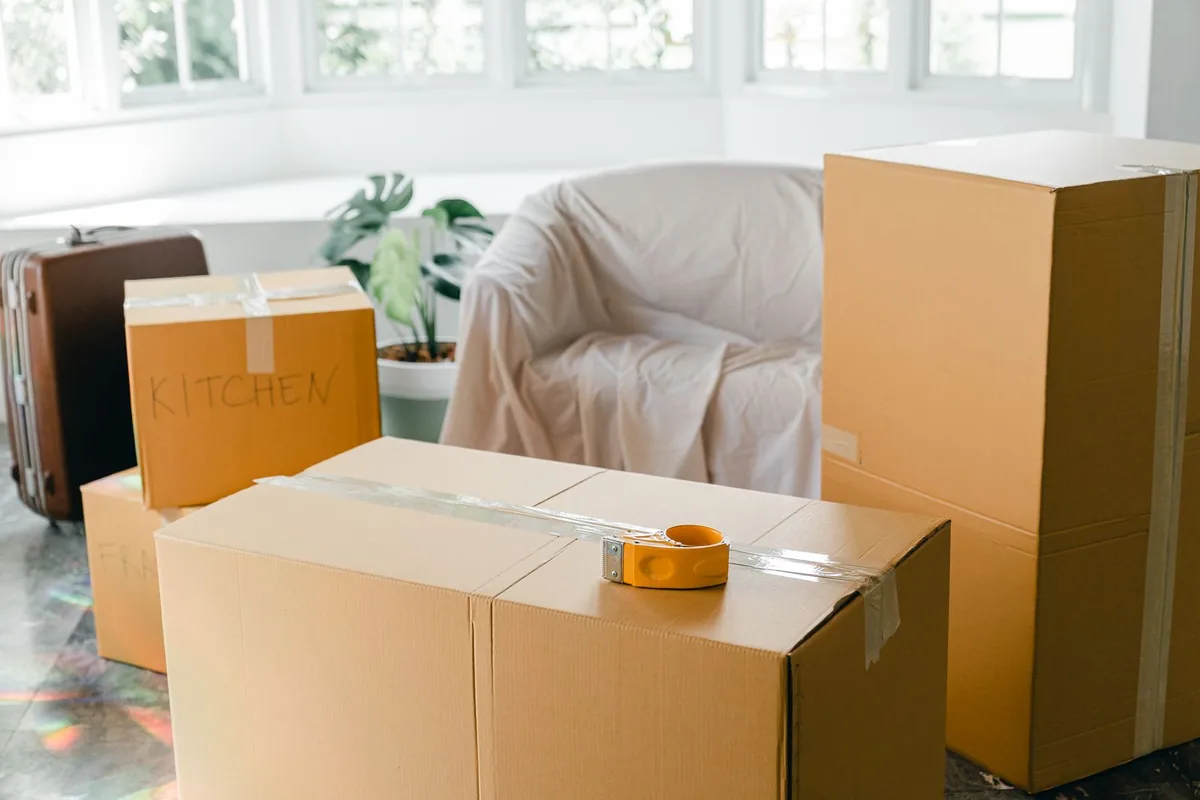
Animal hoarder cleanup combines waste removal, demolition of soaked materials, scrubbing, disinfecting and odor treatment. The aim is a home that people can enter and use again.
Whether you call from North Puyallup or elsewhere in Pierce County, you can ask North Puyallup Biohazard Cleanup Help about animal hoarder cleanup that is careful with the home, careful with the people involved and clear about what will be done.
Only about 5% of homes in Pierce County are vacant, so most animal hoarding cleanups here involve a home that someone owns or rents and wants to restore. Summer highs in North Puyallup are milder, around 76 degrees in July, but a shut-up house with animal waste still builds ammonia and attracts flies and fleas.
A typical animal hoarding cleanup job includes:
Cleanup begins once animal control, a humane society or a rescue group has removed the animals. The crew works only in a home that is clear of animals.
Affected rooms are separated from clean ones, and hauling paths are planned. This keeps odor and dust from spreading.
Waste, bedding and ruined flooring or drywall are bagged and carried out. Protective gear and air control keep dust and ammonia contained.
Odor treatment follows cleaning, and the team notes any floors, walls or fixtures that need a builder. Pest control is recommended where needed.
Animal hoarding cleanup in North Puyallup, WA typically costs $500 to $8,000, depending on the size of the affected area and the materials involved.
Odor treatment depth affects price. Urine that has reached subfloors and walls needs more than a surface cleaning, and that takes more time and product.
| Type of job | Typical range |
|---|---|
| Animal waste cleanup | $500 - $5,000 |
| Animal waste disposal | $20 - $25 per 50 pound bag |
| Biohazard handling inside a hoarded home | $1,500 - $5,000 |
| Animal waste cleanup | $500 - $8,000 |
These ranges come from published cost guides (Biohazard cleanup company pricing guide, Lifecycle Transitions, Fixr) and are not a quote for North Puyallup. Price drivers include amount of animal waste, how long it built up, flooring and wall materials, odor treatment. For a real number, call (877) 812-4220.
Animal hoarding means keeping more animals than a person can care for well, often without seeing that the animals are suffering. Hoarding is a recognized mental health condition, and it is not a character flaw. It needs both animal and human support.
Often the owner, resident or family pays. For a rental, the lease and local law decide between landlord and tenant. Animal control or a rescue group takes care of the animals and usually does not pay for cleaning the home. Some communities offer help for older adults or people with disabilities.
Crews bag waste and soiled bedding, remove soaked flooring and drywall, scrub and disinfect, and treat odor at the source. They wear protective suits and respiratory protection. A final inspection confirms that each room is ready for repairs.
Usually not. Policies often exclude cleaning caused by long-term conditions, though some cover sudden events such as a burst pipe. Read the policy or ask the agent, take photos and keep every receipt.
With kindness and without blame. Many people who kept too many animals loved them and wanted to help. Feelings run high after animals are removed, and support from a doctor or counselor can help.
Sometimes. Flooring, drywall, baseboards and paint may need replacing once soaked and chewed materials are removed. The team notes what it finds so a builder can plan the repairs.
Owners, landlords, relatives and caregivers are all welcome to call.
Call (877) 812-4220